
Summary
Cleveland healthcare facilities need commercial cleaning that focuses on surface disinfection, cross-contamination control, flexible scheduling and clear infection-prevention routines. Because healthcare is one of Northeast Ohio’s strongest industries, hospitals, clinics and medical offices in Cleveland need cleaning programs that support patient safety, staff confidence and day-to-day consistency.
Why Is Healthcare Cleaning So Important in Cleveland, OH?
Cleveland’s economy is powered by several strong sectors, but healthcare stands out as one of the region’s biggest engines for growth and employment. Healthcare represents the industry with the most jobs and job openings in Northeast Ohio, while Cuyahoga County highlights healthcare as a defining strength of the local economy. That matters for facility leaders because busy hospitals, outpatient centers and medical offices need commercial cleaning services built for infection prevention, compliance and patient confidence.
What Areas of a Healthcare Facility Need the Most Attention?
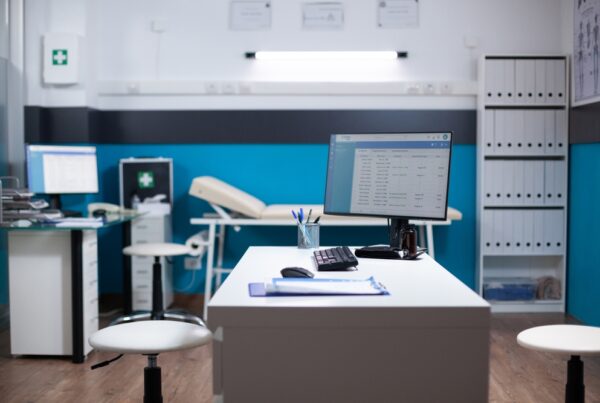
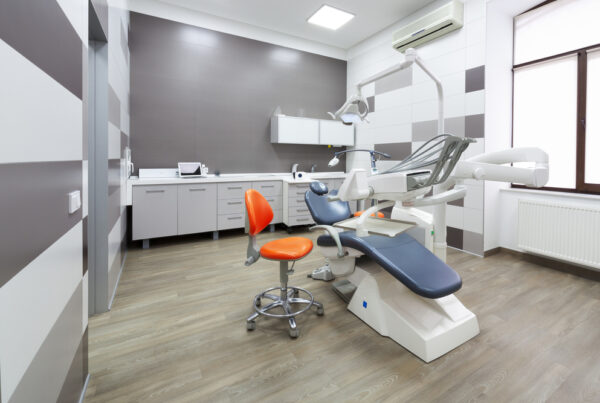
For healthcare environments in Cleveland, the first priority is consistent environmental cleaning of frequently-touched surfaces. The CDC recommends structured cleaning procedures for patient-care areas and special attention to surfaces that staff, patients and visitors touch often. In a market anchored by major healthcare systems, that means reception desks, exam rooms, waiting areas, restrooms, check-in kiosks, door handles, hardware and shared equipment all need a routine commercial cleaning. Healthcare operators looking for a more industry-specific approach can explore Coverall’s medical facility cleaning services and medical office cleaning services. Coverall® of Cleveland provides cleaning services in Cleveland’s surrounding areas including, Akron, Canton, Shaker Heights, Sandusky, Valley View, Westlake and Youngstown.
What Cleaning Standards Help Reduce Infection Risks?
Using the right disinfectants and cleaning methods is key. The U.S. Environmental Protection Agency’s List N is a well-known reference for surface disinfectants that meet EPA criteria for use against viruses and EPA guidance emphasizes following label directions and contact times. For healthcare operators, that reinforces the value of hospital-grade disinfectants, trained professional cleaners and science-backed cleaning methods appropriate for a variety of environments.
How Can Healthcare Facilities Prevent Cross-Contamination?
The CDC’s environmental cleaning guidance stresses clear procedures, risk-based frequency and proper cleaning chemical use in healthcare settings. In practice, that means color-coded microfiber cloths, a no-dip flat mop approach, HEPA Backpack Vacuum use where appropriate and cleaning workflows that separate public areas from clinical spaces. These details matter in fast-moving outpatient clinics and multi-tenant medical office buildings where traffic patterns can change hour by hour. Coverall’s hospital and urgent care cleaning services are tailored to the needs of these specific environments.
How Often Should Medical Offices and Clinics Be Cleaned?
Facilities need the benefit of scheduling flexibility without sacrificing consistency. Cleveland’s healthcare ecosystem includes hospitals, urgent care centers, specialty practices, dialysis centers and medical office suites that may run early, late or around the clock. Customized Cleaning Plans should fit patient flow, provider hours and inspection readiness. A cleaning program that supports after-hours service, daytime touchpoint attention and periodic deep cleaning can help operators protect both staff and patient experience. Related support like Preventative Maintenance Cleaning Services and can help facilities plan for both daily cleaning and longer-term upkeep of valuable assets.
Finally, the best Cleveland healthcare cleaning programs support trust. In healthcare, cleanliness is part of the brand experience. A spotless waiting room, properly disinfected exam room and well-maintained restroom all shape how patients and visitors perceive quality of care. That is why many organizations look for professional commercial cleaning services grounded that can be customized instead of one-size-fits-all routines. For additional industry perspectives, the CDC’s Environmental Cleaning Procedures and environmental infection control recommendations offer useful guidance.
For Cleveland healthcare facilities, commercial cleaning is part of infection prevention, operational discipline and patient confidence. Coverall brings that focus through the Coverall Health-Based Cleaning System® and Core 4® Cleaning Process, helping businesses create cleaner, healthier and safer environments with customized cleaning plans designed for real-world facility demands.
For more healthcare cleaning insights, visit Coverall’s Fresh Thoughts blog.
FAQs
What is the difference between medical cleaning and standard commercial cleaning?
Medical cleaning typically requires more rigorous attention to frequently-touched surfaces, disinfectant dwell times, cross-contamination controls and cleaning frequency. In healthcare settings, cleaning standards are tied more closely to infection prevention, patient safety and staff confidence than in a typical office environment.
What areas should a Cleveland medical office prioritize for cleaning?
Most medical offices should prioritize exam rooms, waiting areas, reception desks, restrooms, door handles, check-in stations and shared staff spaces. These areas usually see the highest touch frequency and can have a greater impact on both germ spread and patient perception.
How often should a healthcare facility schedule commercial cleaning?
That depends on patient volume, operating hours, facility type and risk level. Many healthcare spaces need daily recurring cleaning, while higher-traffic areas or specialized environments may also need daytime touchpoint cleaning, after-hours disinfection or periodic deep cleaning.
Why are hospital-grade disinfectants important in healthcare settings?
Hospital-grade disinfectants help keep healthcare facilities clean because they are designed for environments where germ control matters most. They are especially important in spaces where vulnerable patients, frequent surface contact and stricter cleaning expectations all come together.
What should Cleveland healthcare facilities look for in a commercial cleaning provider?
They should look for a commercial cleaning provider with healthcare-specific experience, documented cleaning processes, EPA-Registered products, flexible scheduling and the ability to support both routine cleaning and higher-need situations like deep cleaning or urgent disinfection.
Why does this matter specifically in the Cleveland market?
Cleveland’s healthcare sector is one of the region’s strongest industries, with major hospitals, clinics, and outpatient networks creating steady demand for specialized cleaning support. That makes healthcare-focused commercial cleaning especially relevant for the local market.